Archives
- 2026-09
- 2026-08
- 2026-07
- 2026-06
- 2026-05
- 2026-04
- 2026-03
- 2026-02
- 2026-01
- 2025-12
- 2025-11
- 2025-10
- 2025-09
- 2025-03
- 2025-02
- 2025-01
- 2024-12
- 2024-11
- 2024-10
- 2024-09
- 2024-08
- 2024-07
- 2024-06
- 2024-05
- 2024-04
- 2024-03
- 2024-02
- 2024-01
- 2023-12
- 2023-11
- 2023-10
- 2023-09
- 2023-08
- 2023-07
- 2023-06
- 2023-05
- 2023-04
- 2023-03
- 2023-02
- 2023-01
- 2022-12
- 2022-11
- 2022-10
- 2022-09
- 2022-08
- 2022-07
- 2022-06
- 2022-05
- 2022-04
- 2022-03
- 2022-02
- 2022-01
-
br Conclus o br Conflitos de interesses br
2024-09-06
Conclusão Conflitos de interesses Alzheimer Disease: Common and Complex Alzheimer’s disease (AD) is a genetically complex, multifactorial disease that leads to neurodegenerative dementia. There is no cure for AD yet, and due to a high prevalence and continuously increasing incidence it pose
-
Compounds and with potent ALR inhibitory activity were also
2024-09-06
Compounds , and with potent ALR2 inhibitory activity were also tested for their inhibition ability against ALR1, as shown in . They all showed low activity with inhibition percentages no more than 45% at the concentration of 10μM, demonstrating good selectivity for ALR2. To evaluate the antioxida
-
br AhR Modulators It is now
2024-09-06
AhR Modulators It is now well recognized that ligand-activated AhR induces an immune tolerance response by acting directly on the antigen-presenting DCs and indirectly by increasing the population of immunosuppressive Tregs 24, 95, 96. In addition to inhibiting the formation or depleting the AhR
-
br Introduction Nausea and vomiting are among the most distr
2024-09-06
Introduction Nausea and vomiting are among the most distressing side effects associated with chemotherapy in cancer patients (Billio et al., 2010). Severe emesis can negatively affect a patient's nutritional state, ability to work and motivation, which can, in turn, interfere with the clinical co
-
The assay performance was estimated using Z factors
2024-09-06
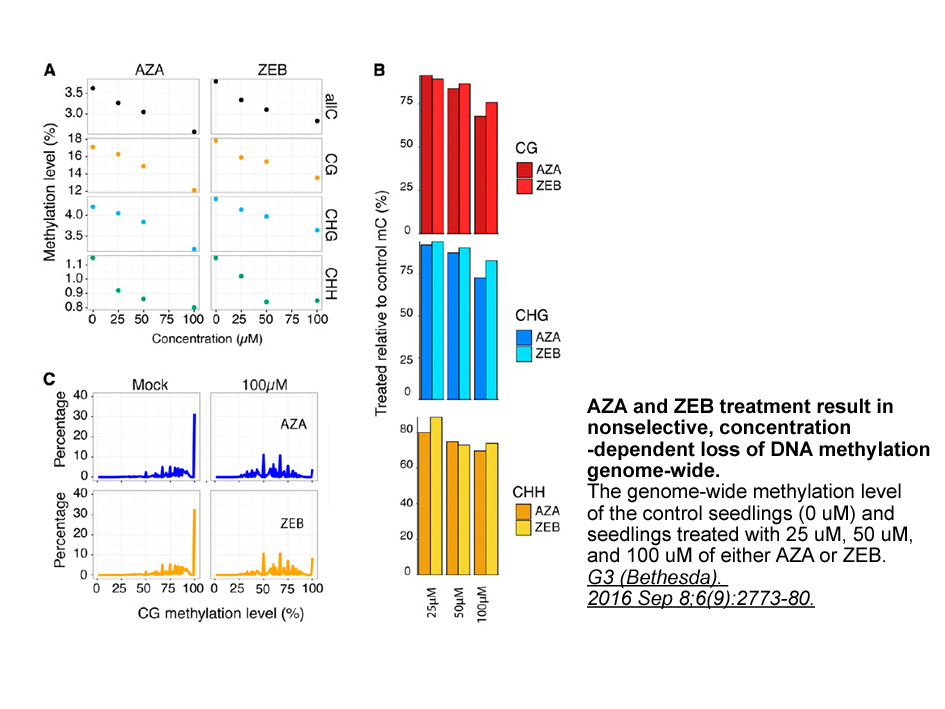
The assay performance was estimated using Z′-factors (plotted in Fig. 2A) according to Zhang et al. calculated for each plate comparing positive (in the absence of an inhibitor) and negative controls (in the presence of an AdK inhibitor). The mean Z′-factor±SD was determined to be 0.7±0.1, indicativ
-
Earlier studies revealed an interaction between HSP and
2024-09-06
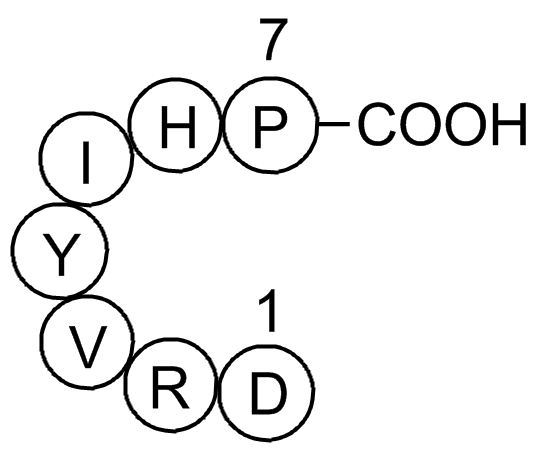
Earlier studies revealed an interaction between HSP90β and ACK1 [15]. In the proteomic approach, we show that ACK1 associates with HSP90α and HSP90β. Additionally, we confirm the existence of a HSP90-ACK1 complex with co-IP experiments. We further analysed whether an inhibition of HSP90 affected the
-
The introduction of a pyrazole moiety
2024-09-06
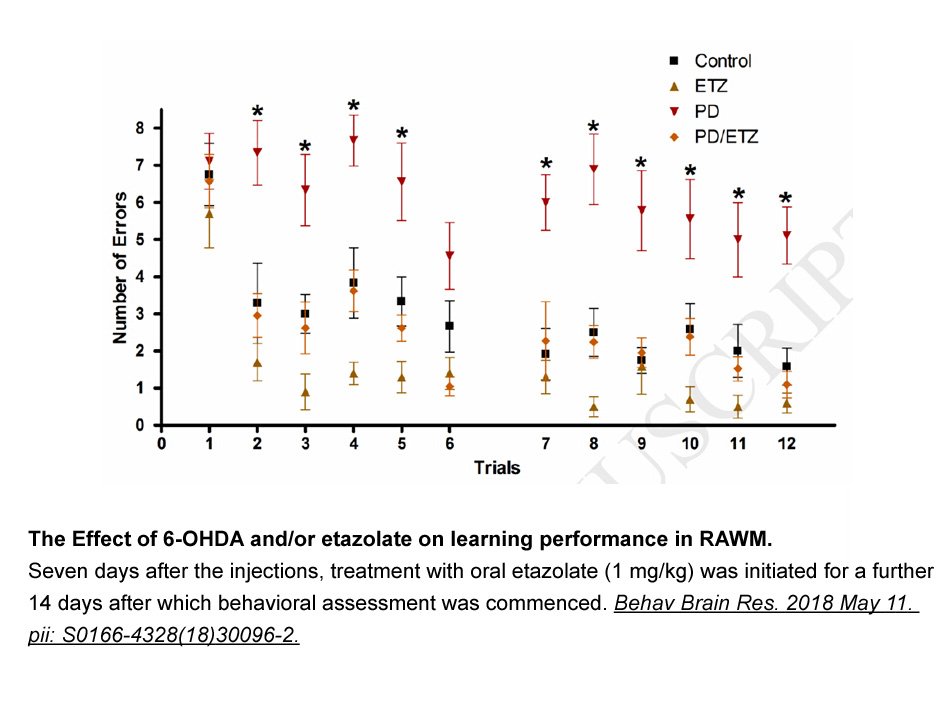
The introduction of a pyrazole moiety into any position of the sterane core by cross-coupling reactions [13] or by Knorr construction from a CCC bis-electrophilic sterane precursor and an N,N binucleophile building block [17], [19] may serve as an example. Very few reports are to be found, however,
-
br Role of autophagy in alcoholic cardiomyopathy br
2024-09-06
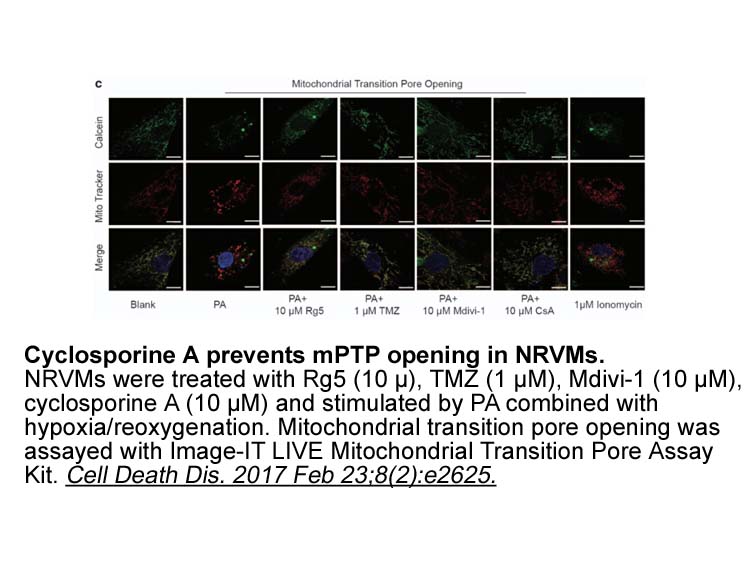
Role of autophagy in alcoholic cardiomyopathy Concluding remarks The genetic and phenotypic heterogeneity in alcoholic cardiac injury has been recognized despite the seemingly beneficial effects of low to moderate alcohol consumption [8]. Although oxidative stress is well established in the pa
-
nsc library br Introduction Human esophageal carcinoma is on
2024-09-06
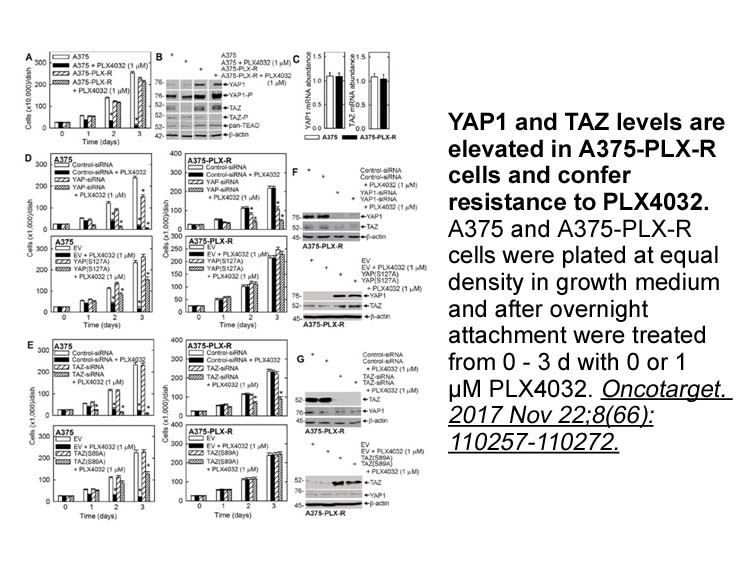
Introduction Human esophageal carcinoma is one of the most frequently diagnosed cancers, ranked as the eighth leading causes of cancer-related mortality worldwide. Esophagus squamous cell carcinoma (ESCC) is the most common histological type of esophageal carcinomas, especially with a higher inci
-
Recent studies showed that the increased expression
2024-09-06
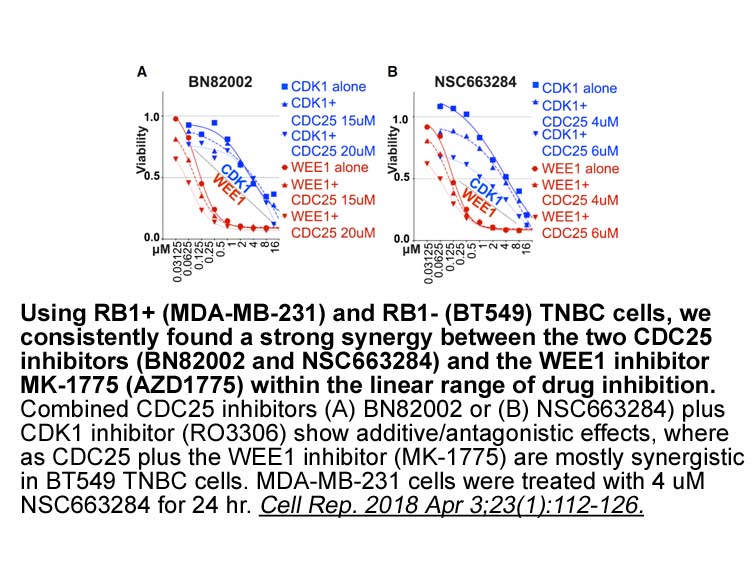
Recent studies showed that the increased expression of Aurora B kinase directly proportional to the tumor invasion and metastasis [61]. The Aurora B kinase regulates the PI2K/Akt signaling pathway has a significant role in tumor invasion and metastasis that leads to phosphorylation of GSK3β on ser 9
-
CHK has been reported to be the kinase responsible for
2024-09-06
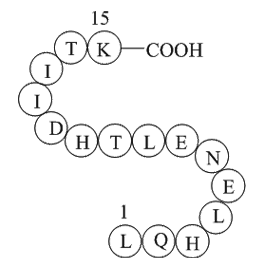
CHK1 has been reported to be the kinase responsible for H3.3S31 phosphorylation in human ALT cancer Nilvadipine . However, in our study, knockdown of CHK1 in HEK293F (Figs. S1c and S6) or HeLa S3 (data not shown) cells did not result in a significant decrease in H3.3S31ph, which is in agreement wit
-
The R pycnus arginase was identical to the
2024-09-05
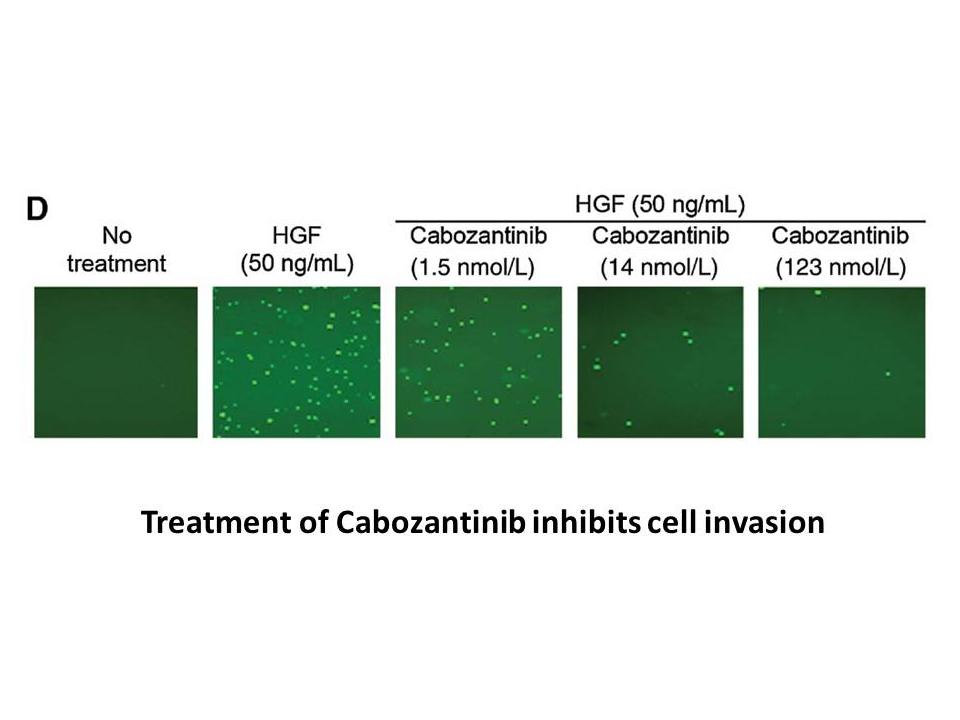
The R. pycnus arginase was 65% identical to the published B. caldovelox arginase sequence (AAB06939). Furthermore, the R. pycnus arginase gene was 62%, 45%, 36% and 22% identical to the published arginase sequences from Bacillus thuringiensis (AJI37018), Thermus thermophiles (WP_038039155), Human ar
-
br Asthma The chronic airway
2024-09-05
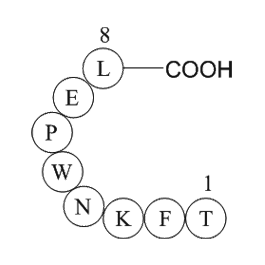
Asthma The chronic airway inflammatory disease icrt sale is associated with enhanced levels of exhaled NO generated by iNOS in the airway epithelium [12]. In asthmatic patients local and systemic changes in iNOS, peroxynitrite, arginase, ADMA and arginine levels have been observed and are associ
-
Atherosclerosis is a chronic lipid metabolism disorder
2024-09-05
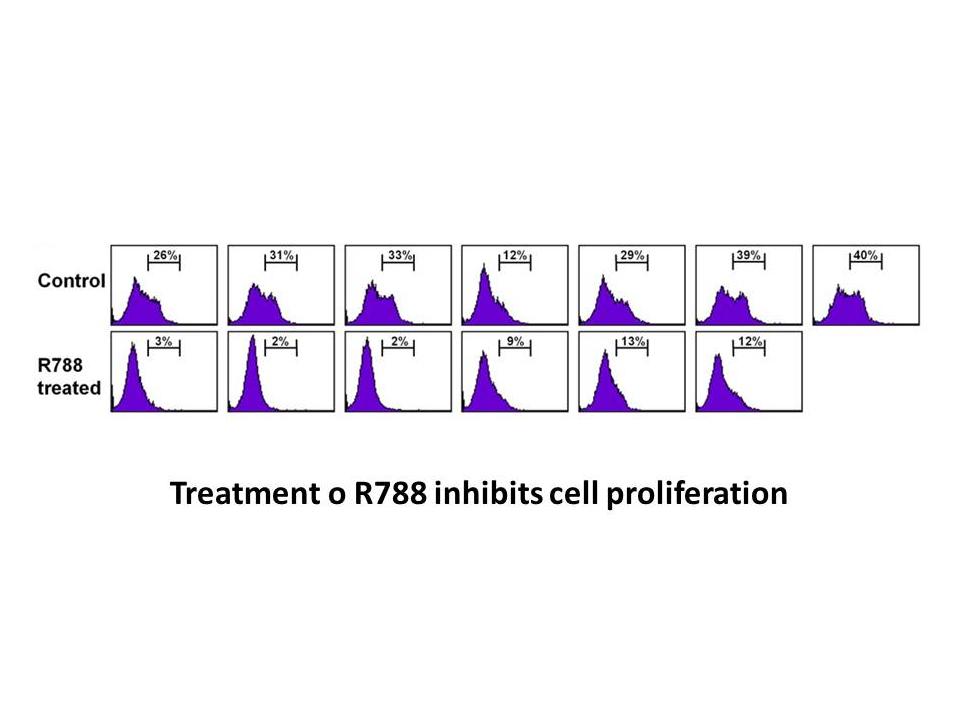
Atherosclerosis is a chronic lipid metabolism disorder linked with lipid accumulation within the arterial wall and subsequent formation of foam cells and vascular disease [96], [97]. The level of apelin is decreased in human atherosclerotic coronary arteries [4], and coronary collateral formation in
-
Furthermore different s http www apexbt com media diy images
2024-09-05
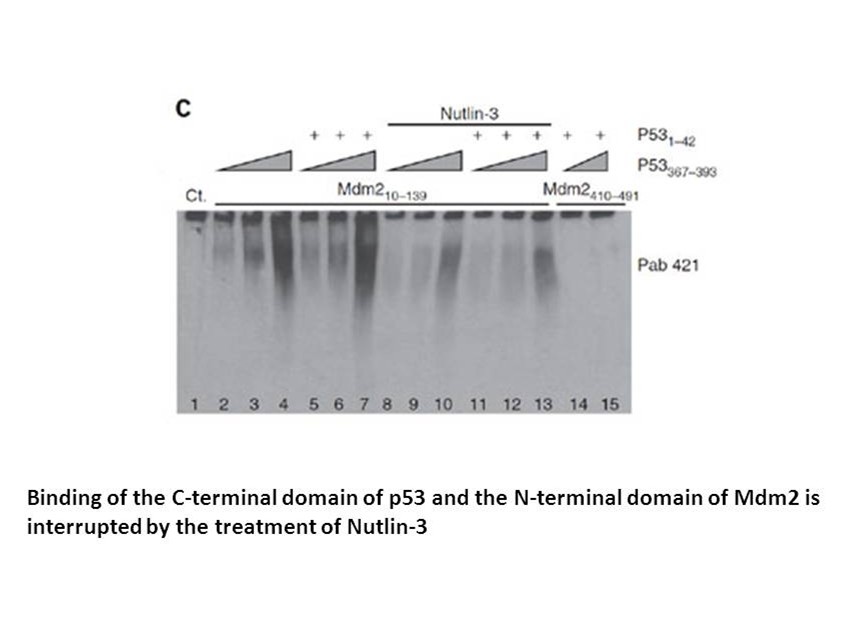
Furthermore, different studies have described the APP as useful biomarkers in monitoring the post-ovariohysterectomy period in bitches with pyometra [12,14,52,53], similar to what was observed in queens in the present study. In our study, significant decreases in concentrations of a major (SAA) and
8126 records 121/542 page Previous Next First page 上5页 121122123124125 下5页 Last page